


NC Wetlands By the Numbers
Fun Facts about North Carolina’s Wetlands
Wetlands act like sponges – absorbing water, cleaning it, and releasing it slowly.
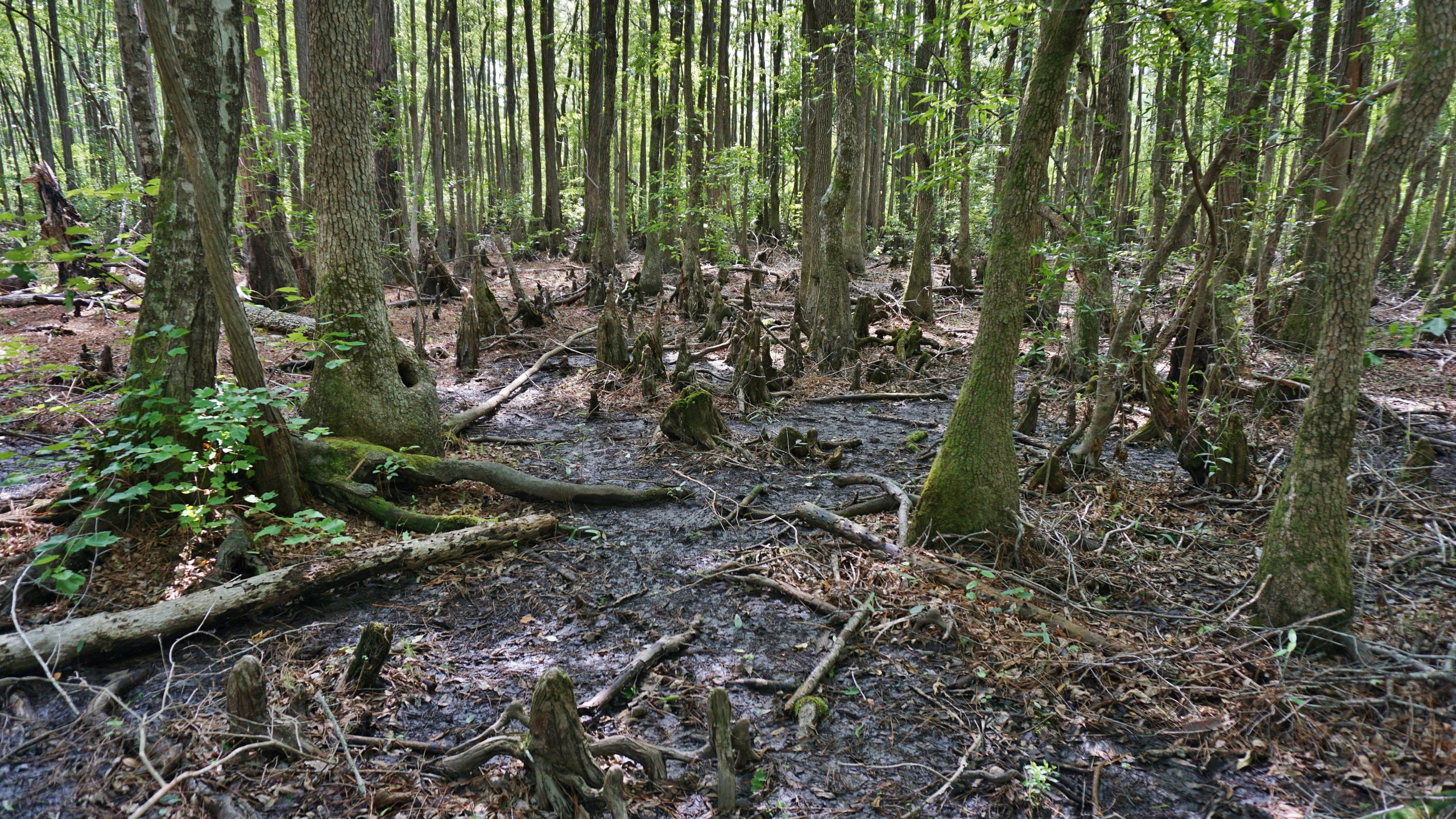
Some of the oldest trees in the world are in North Carolina! At least 2 bald cypress trees older than 2000 years old (one over 2,600 years old) are in the Three Sisters Swamp along the Black River in southeastern North Carolina.
More than 70% of North Carolina’s protected species depend on wetlands to survive.
Look and Learn
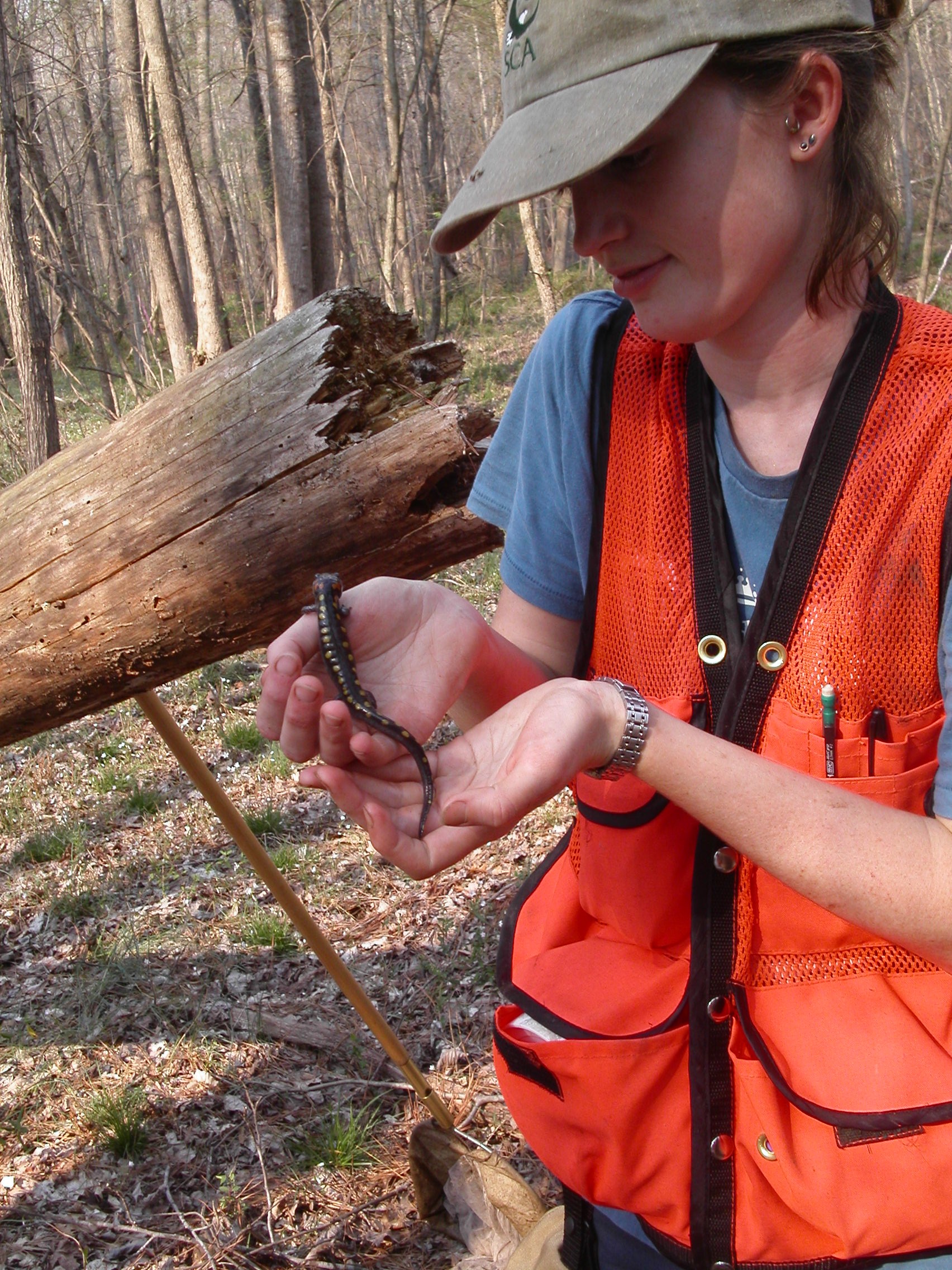
Learn all about North Carolina’s wetlands – the what/where/when/who of wetlands, their benefits to us, how they are studied, and how to help them. Find factsheets, infographics, activities, lesson plans, curriculum connection, photos, and videos.
Research and Data
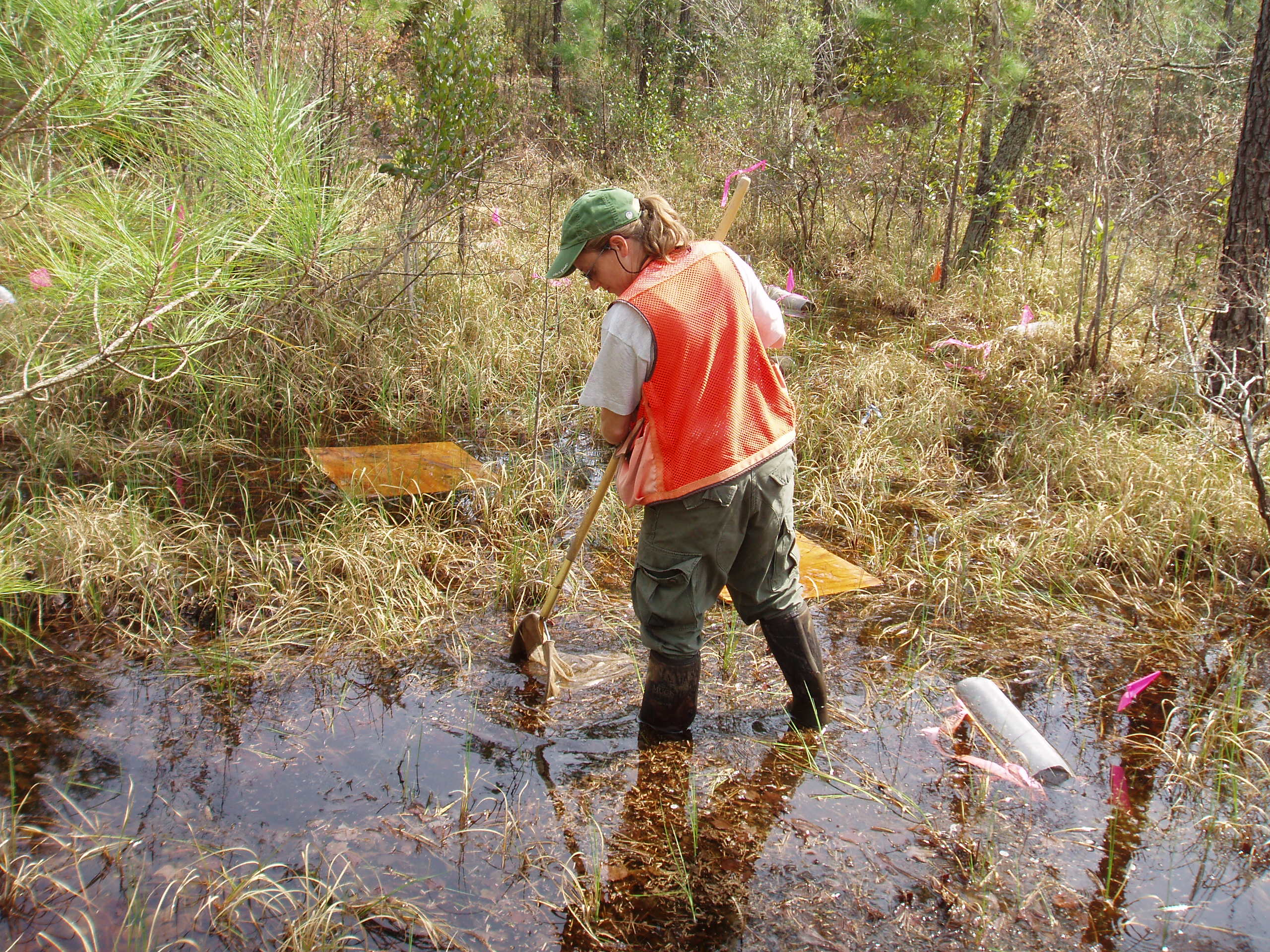
Discover what scientists are learning about North Carolina’s wetlands. Connect to a database with results (e.g., plants, bugs, amphibians, water, soil) from wetland research projects, find summaries of major project findings, and download project reports.
Know the Law
Have wetlands on your property? Because wetlands are protected, you need to know if North Carolina’s rules and regulations require approval from the state before you make any changes to those wetlands. Explanations and links to the rules can be found here.
Get Involved Now
Wetlands are valuable to communities all across North Carolina. Many wetlands are undergoing negative changes, but people can get involved. Positive actions can be taken at home, locally, and internationally: find a way to get involved with wetlands.